
Saturday Worldbuilding is a weekly project wherein yours truly builds a world from scratch in a disorganized bid to express what I think makes a world useful and interesting.
This time, we’re talking about names and language. I know all too well the temptation to conlang, but conlanging is a project in and of itself. I want something with texture that I can also wrap my brain and tongue around. So I’m going to go with real languages.
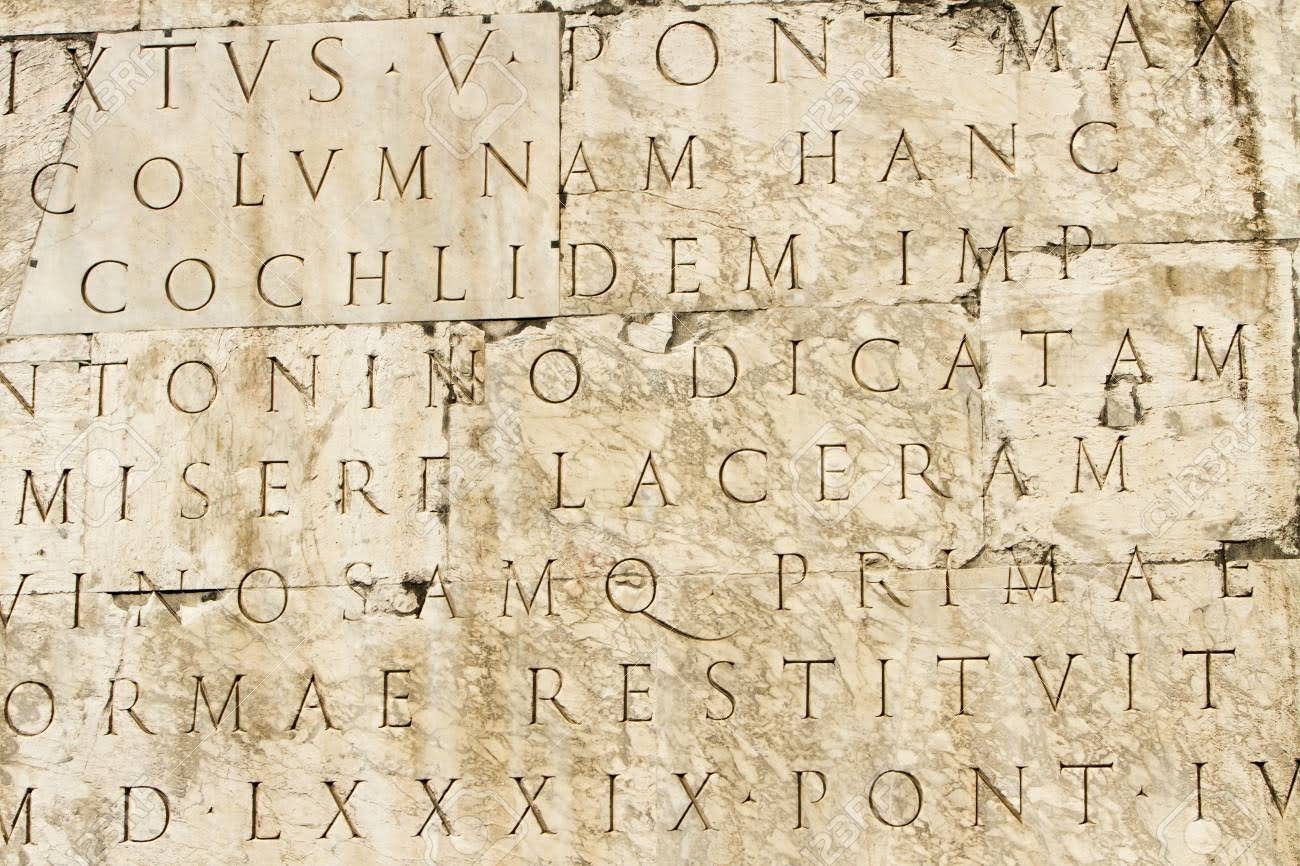
As I see it, we’ve got three cultures in play here. We’ve got the old empire that colonized this place in the distant past, the native culture, and the modern culture that blends aspects of both. I’m going to make my life easy. I’m going to use Latin for the old empire, Anglo-Saxon for the native culture, and English for the modern culture.
As a rule, I’ll use the older languages for major place names and English for personal names and business names. I have a copy of the rather handy Gygax’s Extraordinary Book of Names. I also use Behind the Name, Etymonline, and things like Wikipedia lists of Roman emperors or lists of ancient Greek cities to help name things. (Here’s another cool thing I found while naming: the Dictionary of Old English Plant Names.)
I went back through the last few articles and made a list of things I think need naming. Rather than drag you through the whole process, I’m going to list those things here along with the name I gave them and notes where I think they’re worthwhile.
- The kingdom: Deira – This was a subkingdom of Northumbria in Anglo-Saxon Britain. I did a little backtracking. The name is derived from the word for oak. I started to hunt for another tree name, but white oak is at home in swamps. It’s a good, grounded name, and I’m sticking with it.
- The city: Palund – My teachers probably wouldn’t like this, but I’m satisfied with it. Google Translate tells me that Paludis is literally “the marsh” in Latin. A few generations of folks that don’t speak Latin and “Palund” makes sense to me as an evolution of that original name.
- The market district: Hargmarket
- The city center: St. Drusus’ Ward – Check out Behind the Name’s entry on Drusus.
- The docks district: The Quays – Quays are stone platforms for loading and unloading ships.
- The artisan district: Dyer’s Island
- The shore district: St. Valens’ Ward or The Tangles
- The holy grove: The Harg – From an Old English word meaning temple or idol.
- The stone temple: St. Drusus’ Cathedral
- The bridge to the mainland: St. Valens’ Bridge – Named for a Roman emperor that completed an aqueduct.
- The old empire: Calabrasia – From one of the curiae, subdivisions of the original Roman tribes.
- The royal family: Tarquinia – From two of the early Roman kings.
- The royalist faction: The White Wings – A play on doves, probably they have some prominent white pin or other signifier in their clothing.
- The democratic faction: Mudhandlers – I think it’d start as a slur for farmers and other tradesmen, but they’d embrace it. I wanted to go with just “republicans and royalists,” but those terms can be loaded.
- The spring equinox festival: Mottiday – Motti is Old Norse for moth.
- The harvest festival: King Turbus’ Pyre – This is an alteration of a late Latin name without a clear meaning, but I like the similarity to turbulent.
- The old king: King Gereon – Latin, probably from Greek and meaning old.
- The young queen: Queen Aurea
- The scheming aunt: Princess Felina
- The loyal steward: Sir Jankin Dyer
- The agent of chaos: Lord Lock – From Loki.
We’ve got a bunch of important names down, and we know where we’re getting our other names from. My next step, especially for a campaign, is probably to put together a list of names I can use at the drop of a hat, but I don’t think any instruction will help with that. Next time, we’re going to make a map.
 chasetriesagain.com