
Saturday Worldbuilding is a weekly project wherein yours truly builds a world from scratch in a disorganized bid to express what I think makes a world useful and interesting. Check out last week’s entry here. Friday is still close to Saturday…
In the past three entries of the Saturday Worldbuilding sessions, we’ve settled on a purpose (a setting for a TTRPG campaign), we’ve chosen a central tension (autocracy vs. democracy), and we’ve built a city. The city doesn’t have a name yet, but we know its districts, its rulers, its places of worship, its signature tavern, and its primary industries.
Through this process, we’ve added a bunch of smaller cultural details, and in this post and the next, I want to focus in a bit on two things: symbols and festivals. Generally, this is my approach to filling out the rest of a culture. Symbols allow us to explore what these people find important and how they view those concepts, and festivals tell us what they celebrate and about the year-to-year patterns of their lives. This’ll also touch a bit on religion.
First, I want to talk symbols. We might gain some working through festivals, but here’s what I’m thinking to begin with. The Egret and Egg is actually called the Dove and Globe, and I think that was meant as a reference to the royal family. They might once have carried a royal trademark of some kind, whether they still do now. I think our doves here are invasive and probably eat the silk moths, and therein lies the fun. On the surface, doves probably carry the same connotations as in the real world. Majestic birds of peace and divine messengers. Beneath the surface, they’re an invasive pest that harms a staple industry of the region. Put plainly it’s extraordinarily blunt symbolism. Half-mentioned by a farmer that our hypothetical players are helping, it’s an easy-to-overlook bit of tonal reinforcement.
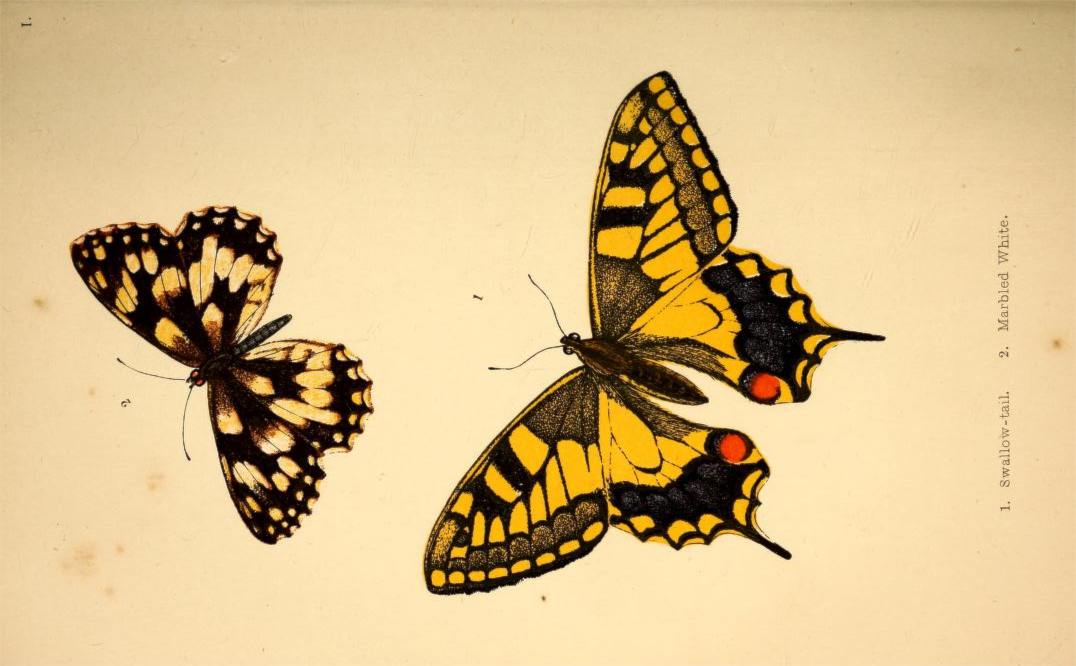
The silk moths are also probably have their own symbolic role. I think their cycle of migration and metamorphosis definitely influences the day-to-day living of the locals and specifically influences their beliefs on life. (Yes, they’re migratory. Yes, we’ll come back to that.) I think these folks believe in reincarnation and see the metamorphosis as symbolic of that. I think they also probably see the silk moths as symbolic of fortune. The moths travel however far away every year, and their numbers and health upon returning is influenced by people and events beyond their control.
This plays into much broader views about life and society for them. They can’t control the moths, but they can take good care of them and make the best of whatever the migration brings them. Being a good host, being flexible, being scrappy and ready to do your best with the hand your dealt is all probably pretty important to these folks.
Less heavy duty symbolism comes in with dyes. We’ve talked about how Tyrian purple (and purple in general) is probably reserved for nobles or royals. I think a sign of wealth for the untitled is probably wearing a lot of different colors. A noble, especially a poor one, might specifically wear single color outfits just to show that they’re not “new money.”
I also want to give mulberry trees and mangroves some symbolism, but I’m not quite sure about those yet. I think they need to compliment the moth symbolism in some way. I may revisit this in another post.
I’d intended to get into festivals in this post as well, but it’s been a busy week. This post is already nearly a week late, and I want to go into tomorrow’s post with a topic I’m already prepared to discuss.
Until next time!
 chasetriesagain.com
1 Comment