
Inspired by the Appendix N from the AD&D Dungeon Master’s Guide, Appendix C is an ongoing series of short posts recommending works that have been influential for me as a writer and Dungeon Master.
Susanna Clarke’s 2004 Jonathan Strange & Mr Norrell is probably my favorite novel. I’m sure I’ve cribbed more notes from Clarke’s debut novel than I have just about any other single work.
Blending the writing styles of Austen, Dickens, and Byron among others, Clarke’s 350,000 word novel began as a dream about a troubled magician in Venice. It ended as a commentary on Englishness, otherness, and friendship.
Jonathan Strange & Mr Norrell was my first brush with alternative history and a masterclass in what worldbuilding is good for. Clarke uses a couple hundred footnotes to weave her alternate history with tales of magic and fairies and scholarly notes on English magicians. These footnotes help immerse us in the world, but they also help underline the themes of the work.
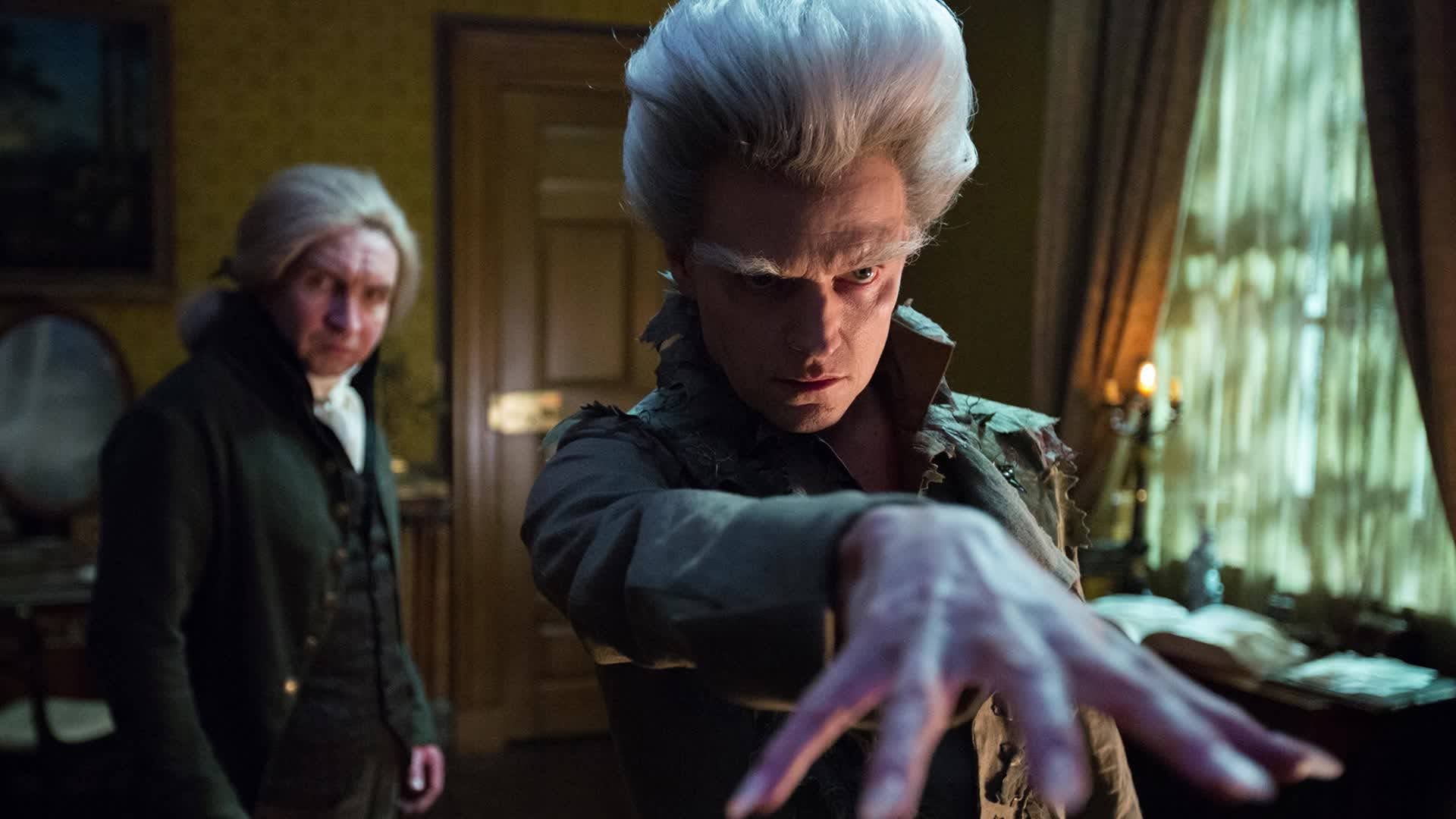
The thing I’ve come back to most often, though, are Clarke’s descriptions of fairies. Fairy women wear gowns the color of storms, rain, and shadows. The primary fairy character is referred to only as “the gentleman with thistle-down hair.” They reside in castles with names like Lost-Hope.
Clarke avoids simple descriptors for her fairies, providing instead evocative sensory or emotional phrases. A box might be the color of memory. A manor house could be called Boyhood Regret. By painting her fairies with emotions and notions rather than straightforward sensory language, Clarke makes them at once incredibly evocative and also difficult to pin down, eldritch.
There’s a lot to love in Jonathan Strange & Mr Norrell, but I think it’s more useful for you to read it than for me to write about it at length, off the cuff. There’s also a BBC miniseries that I’ve heard very good things about and Clarke has plans for a sequel.
 chasetriesagain.com