
We’re quickly reaching a point in this blog where the road ahead is clear and concise. I know what I have left to write and when I plan to do it. There are numerous potential subjects that are so heavy duty that I just can’t research them right now. There are other subjects I’ve already talked about once and don’t want to retread too much ground during the challenge. But there are a handful of topics I don’t think I’m likely to cover at great length in the future, so I’m going to try to touch on them in brief collections.
Tonight’s subject matter is a small sampling of major Japanese stock characters. These are, for the most part, Japanese expressions of universal archetypes. They’re more in-depth than the sorts of stock characters we discussed in Vocabulary Unit 4. They tend to have some unique cultural baggage, a flexible range of personalities and significant visual indicators.
 Ronin: I don’t need to explain samurai here. The pop culture notion of a samurai is much the same in anime and manga as it is in Western media, but a ronin is an interesting branch of that tree. Ronin are masterless samurai. They may be masterless due to the master’s death or their own social disgrace. Regardless, they’re typically wandering, trying to find a new master or source of income. They may take work as bodyguards, mercenaries or even ninjas.
While they lack the uniform visual indicators of some of the other entries on this list, there’s a fair chance that if you’re watch a show about samurai, at least some of the protagonists are actually ronin. Ronin and ronin-inspired characters show up throughout anime and manga. They can be virtuous or villainous, but they’re not unique to Japanese media, matching up with knights-errant and Old West outlaws among other archetypes.
In modern Japan, ronin has two additional meanings. It can refer to a salaryman (see below) between jobs. It can also refer to a student who initially failed college entrance exams, but who is continuing to study so they can try again.
 Miko: A bit more straightforward than ronin, miko are shrine maidens of the Shinto religion. They fill the same cultural niche as nuns and priests, and their depictions range from the serious to the comedic to the erotic.
Miko are identifiable by their distinct red and white outfits. Traditionally, they were oracles who provided prophecy through dance, but in modern Japan and media, they’re primary role is tending to the shrine they serve at and keeping it neat.
In anime and manga, they may have mystical powers and help fend of demons and other supernatural threats. They also tend to show up as love interests. These traits can be present in a serious treatment or a comedic one. They have a major presence in pornographic anime, manga and video games, and this is likely due to the fetishization of their uniforms.
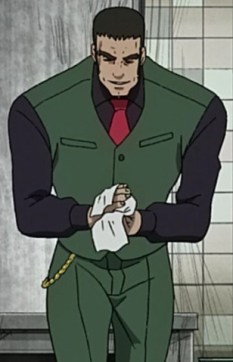 Yakuza: Organized crime exists all over the world, and characters who make their money from organized crime show up in all kinds of stories and media. Yakuza are the particular Japanese brand of mafioso. Yakuza organizations tend to have public offices and individual yakuza will carry business cards.
Yakuza claim that their organizations stem from Robin Hood-esque groups attempting to protect poor communities while historians say it’s more likely that they descend from bands of ronin-turned-bandits who could no longer make their way as bodyguards and mercenaries. The truth seems to be a mix of both as some groups did likely intermingle with local “neighborhood watches” of sorts (though it still leans toward the historians’ explanation).
Yakuza are typically recruited from the lowest rungs of Japanese society. Like most groups involved in organized crime, their money comes from extortion, human trafficking and the like. They tend not to run into direct conflicts with police so long as they don’t carry guns, deal drugs or harass tourists, and all of these things violate the strict codes of conduct that Yakuza families maintain. Yakuza typically police their own communities, keeping a thumb on petty crime, and they have been known to provide aid during disasters.
Yakuza, like ronin, may be heroes or villains depending on the story. They are easily visually identified by their expensive suits, numerous tattoos and dark sunglasses.
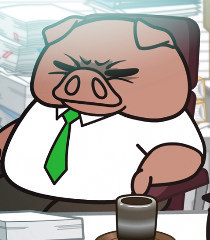 Salaryman: There’s not much to say about salarymen. They’re not a concept wholly unique to Japanese media. Put-upon middle age white collar workers are probably pretty familiar to American audiences (after all we’ve got that whole The Office thing going on).
Salarymen tend to be workaholics with a penchant for alcoholism. They’re usually balding, wear inoffensive suits and have glasses.
One difference from their American counterparts, though, is a sense of optimism. Salarymen in anime and manga tend to believe they’re going somewhere thanks to their workaholism. This may be played for a cynical laugh. The alcoholism is also likely to be treated as part of office culture, as heavy drinking with colleagues after work is a common practice in Japan.
 chasetriesagain.com