

In 2008, Geneon USA, one of the major U.S. distributors for anime, would shut down. In 2009, it was followed by Central Park Media and AD Vision. Toonami was off the air as were most of the kids’ cartoon blocks that featured anime heavily. Sci-Fi would maintain their anime lineup for two more years, but even so, there was a sense that anime in America was about to be relegated even further into obscurity.
There were still several distributors, like the Japanese-owned VIZ and Aniplex and Funimation, with its ever-growing library. But it seemed that if anime didn’t have a true television presence, it would be doomed to obscurity.
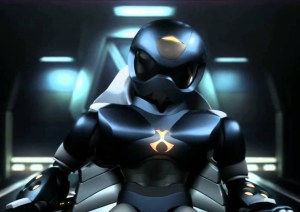 So when Adult Swim’s 2012 April Fool’s Toonami block turned into a full on revival on May 26, it felt like a new era was about to begin. And it did, though it didn’t quite happen on Toonami. Toonami has chugged along since then, and it’s comforting to now that Steve Blum’s TOM is still out there. However, changes in the market during Toonami’s four years off air have left it following trends instead of making them.
Anime fandom had moved to the Internet where legal and illegal streaming platforms allowed them to see the newest anime not long after they aired in Japan, instead of waiting on a U.S. company to take an interest, make a dub and then get it aired on a U.S. channel. This also meant that a wider variety of anime were available for U.S. audiences beyond the predominantly shonen action series that tended to make it to TV.
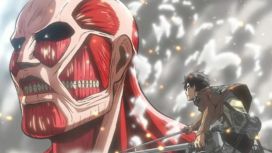 In 2012, Crunchyroll and Hulu began streaming Sword Art Online while it was airing in Japan. The next year, Funimation and Crunchyroll would simulcast Attack on Titan. This is where the international fan community really begins to pick up seasonal anime.
Now most of the shows coming out in Japan are available to stream legally on various websites online. Most major distributors have their own streaming platform in addition to Crunchyroll, HIDIVE and VRV. Netflix has also joined the fray. Amazon started with their anime-only Prime channel, Anime Strike in January 2017, only to shut it down a year later and add its content library to the general Prime library.
With fans all over the world able to keep up with anime as it airs in Japan and 40 to 50 shows airing in a season, it’s hard to say just exactly what is important, essential to watch. It’s not possible, unless you have no other commitments, to watch everything that’s coming out. Fans are beginning to focus less on anime as a whole and more on the genres they’re interested in. Cosplays at conventions are likely to be drawn from what has been popular in the last three or four seasons rather than just a list of tried and true favorites.
Other U.S. distributors continue to close like Bandai Entertainment in 2013 and Urban Vision in 2016. Meanwhile, Crunchyroll reached one million paid subcribers in 2017.
We’re too close and there’s too much to see to pick out easy patterns of influence. Attack on Titan and Sword Art Online have both achieved massive popularity, but other shows, while potentially outpacing them during a given season, are often forgotten within a few months after they stop airing.
In film, things are a little easier to follow. Hosoda continued on after Summer Wars with Wolf Children (2012) and The Boy and the Beast (2015). His next move Mirai of the Future is set to release in Japan in just five days.
Satoshi Kon died of cancer in 2010. His work, though unique and incredibly influential, is nigh impossible to watch legally outside of Japan.
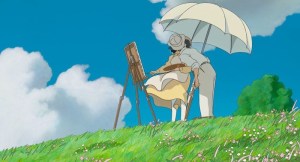 Miyazaki’s first film of the decade was The Wind Rises in 2013. As has been the case many times in the past 20 years, this subtly autobiographical tale based on the true stories of another man was meant to be his last feature. But he has returned to direct again with How Do You Live?, which has not had a release date announced.
His long time collaborator and fellow Ghibli founder Isao Takahata would direct his final film, The Tale of the Princess Kaguya, which debuted in 2013. Takahata passed in April 2018.
Miysazaki, Takahata and Toshio Suziki would all become the subjects of the 2013 documentary The Kingdom of Dreams and Madness. The documentary tries to understand the chaotic, challenging, creative world of Studio Ghibli and its founders.
Another, much younger creator would step into the spotlight in 2016. Makoto Shinkai started his directing career with 2004’s The Place Promised in Our Early Days. He has produced three films this decade. The most recent, 2016’s Your Name would explode in the box office, overtaking Spirited Away for the highest grossing anime film of all time. Shinkai has been called the new Miyazaki and has directly and adamantly rejected that title.
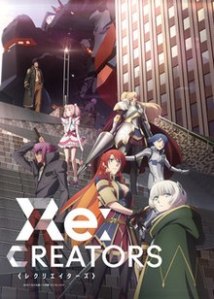 On television, things are harder to see clearly. There are, as always adaptations, continuations and revivals alongside new projects. My Hero Academia dominated discussions when I started getting back into the game a few months ago. Other shows like One Punch Man, Re:Creators, Made in Abyss, Megalo Box, Hinamatsuri, Re:Zero, Haikyu!!, and dozens more have had their moment in the spotlight.
Dragon Ball Super debuted in 2015 as the first television series featuring a new Dragon Ball plot in 18 years. One Piece sails on. Naruto and Bleach both came to an end. Bleach ended on a somewhat sour note in 2012. Naruto: Shippuden concluded in 2017, but 2017’s Boruto: Naruto Next Generations continues the story of Naruto. Watanabe, creator of Cowboy Bebop, created 2013’s Space Dandy, which made waves by being aired first in America on Toonami. This year 2000’s absurdist sci-fi FLCL is receiving two sequel series, both running on Toonami.
There are, as ever, negative trends. There’s plenty of derivative shows, aping the same formula until it’s almost meaningless. There are also concerns from figures within the industry, like Miyazaki, that the desire to please hardcore fans is overriding the desire to make good art. There are also worrying trends regarding the overt sexualization of minors in some shows, some of them revolving around this concept entirely.
Looking forward, I don’t know what to expect. I suspect that American fans will eventually tire of the glut of new shows every season. Some fans will focus down, as they already are, on the things they love the most. Others will begin looking for the landmark series and must watch shows that will hold up over time. The future of studios like Ghibli, founded in the ’70s and ’80s with the intent of making a wave, is unsure. That generation of animators is winding down now and new studios with fresh faces are beginning to take the wheel.
I think I was hoping to be able to make a profound statement here at the end, to find the through-line for 100 years of animation and be able to point and say “this is where we’re going,” but I can’t do that with any degree of honesty. It seems to me that what’s really happening here is the end of one era and the start of the next. There’s no clear division. They’re both happening at once. We’re over 100 years removed from the Matsumoto fragment and the first anime, and there’s no obvious direction for anime. But that’s fine by me. It’s nice not knowing what happens next.

 chasetriesagain.com