
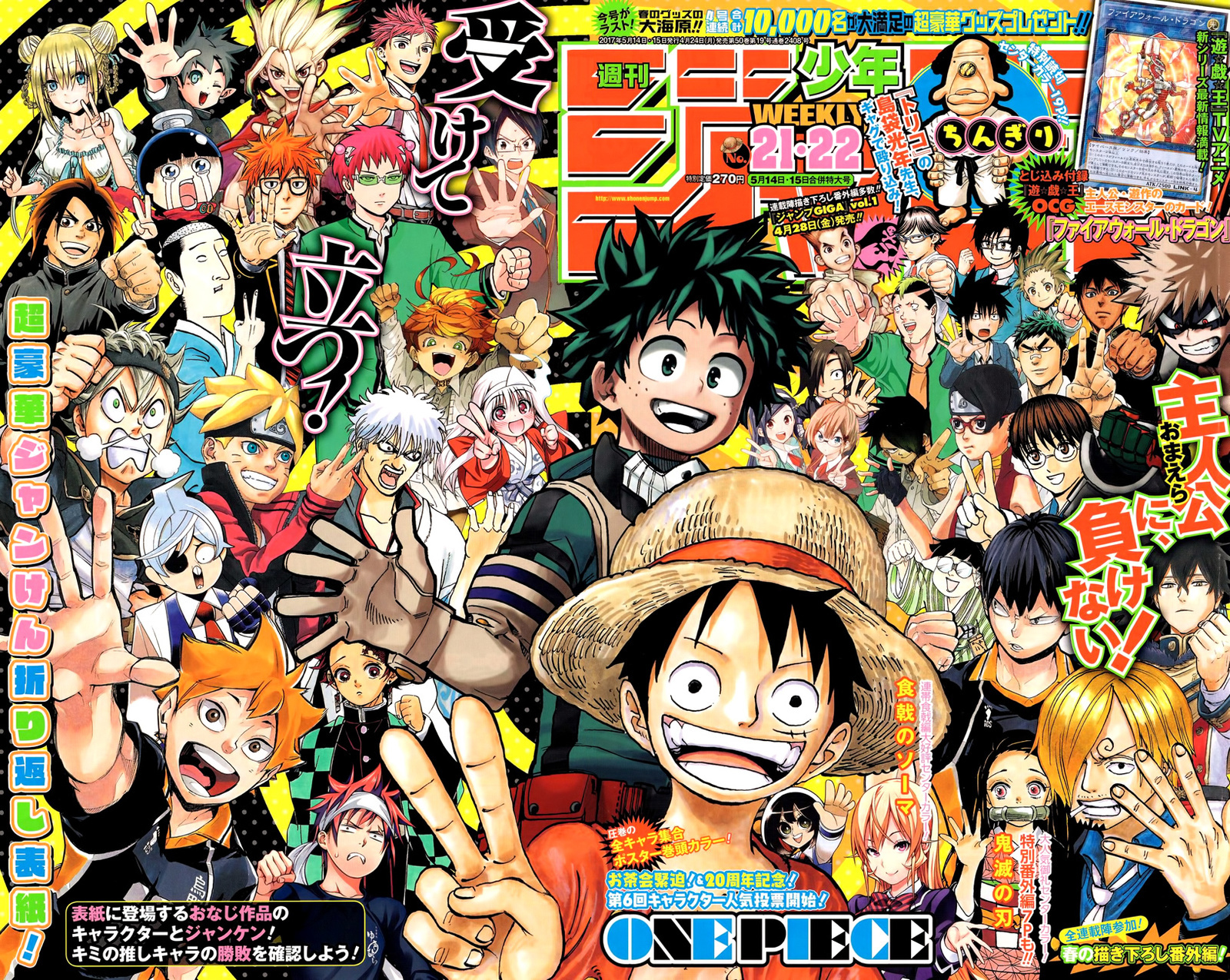
I’ve spent 15 days talking about anime with frequent references to manga, but I’ve thus far avoided addressing the subject head on. Today, we’re going to have a quick overview of the comics that inspire a lot of these cartoons I talk about.
Sometime down the road before this challenge is resolved, I’m going to talk about the history of manga and anime. But not today.
Manga’s history, like the history of Western comics, stretches back well before anything we would recognize as a comic book or manga, with roots in traditional arts and literature. The concept of manga dates back to Japan’s Edo Period, but many sources point to 1952’s Astro Boy by Osamu Tezuka as the cultural touchstone for manga after World War II.
Manga and American comics are radically different at the physical, conceptual and economic levels. American comics are read left to right and are typically about 20-30 pages, printed in floppy, full color books dedicated to a single issue of a single story. They run for around $3-$5 an issue. Typically associated with superheroes, most American comics are owned by the publisher and may pass through multiple writers in a single year. American comics are occasionally adapted to cartoons, and many franchises, cartoon and otherwise, (especially those targeting nerds) will have a comic adaptation of some sort. Individual issues of comics that sell well will eventually but irregularly be collected into trade paperbacks. It’s unusual (though becoming less so at a rapid pace) to find comics outside of specialty retailers.
Manga are read right to left, are printed in black and white with rare color spreads and typically run around 20 pages a chapter. Their first printing is usually part of a regularly published magazine. Titan of the medium Weekly Shōnen Jump prints a 500 page magazine that sells for about $2.75 (at least according to Google) an issue and is available in convenience stores. Manga are typically owned by the creator, and it’s very unusual for someone else to jump in. This tends to keep manga stories on a tighter path than the often chaotic world of DC or Marvel continuity.
While you can still find romance, humor and other non-superhero comics hidden amongst Batmen and Spider-Men in the U.S., manga simply doesn’t have the strong, singular association with one genre that we do stateside. Manga magazines are often targeted at specific demographics (“shonen” means “boy” or “youth”) or cater to a certain genre.
Individual manga are often collected into multiple volumes of books called tankōbon, which contain about nine chapters each.
While there’s no shortage of original anime without a manga background, tons of popular anime are based on manga. Some anime are adapted to manga later as well, and there are manga for other franchises like video game series Legend of Zelda.
To explain just how much of an effect manga has on anime, let’s talk a little about Weekly Shōnen Jump. Jump is a big, big deal, and it will probably get a post of its own down the road a bit. It began publication 50 years ago in 1968. Take a look at a small assortment of the series it launched that have become major anime:
- Dragon Ball
- JoJo’s Bizarre Adventure
- Yu Yu Hakusho
- Rurouni Kenshin
- Yu-Gi-Oh!
- One Piece
- Hunter x Hunter
- Shaman King
- Naruto
- Bleach
- Death Note
- Gintama
- Haikyu!!
- Assassination Classroom
- Food Wars: Shokugeki no Soma
- My Hero Academia
These are some of the heavy hitters but not all of them. And while obviously a big deal, Jump is only one magazine. Shows like Fullmetal Alchemist, Soul Eater, Hajime no Ippo and Fairy Tail are all also based on manga from other magazines.
This doesn’t get into the world of webmanga and light novels. Nor did we really touch on the world of doujinshi, fan-made manga. But technically this is my second post today, and I’ve got some superhero comics to catch up on. I may come back with some links for the huge number of series just mentioned, but that will have to wait. Until tomorrow.
ADDENDUM: I am obligated to award Citizen Sawcy with a No-Prize for catching a major error in yesterday’s post. Thanks, Sawcy!

 chasetriesagain.com
2 Comments