
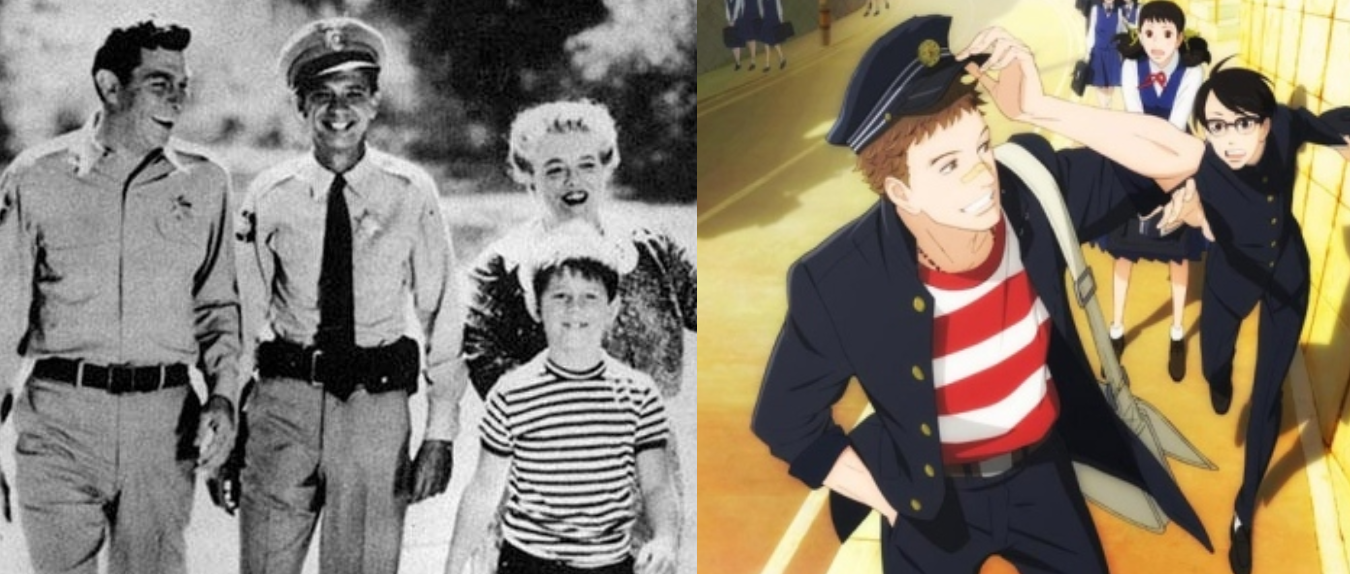
If I sent you to take a look at my MyAnimeList account, two things would become immediately clear.
- I haven’t watched all that much (at least not from start to finish) for a guy who has committed to writing 100 posts on the subject.
- I really like Slice of Life anime.
Slice of Life is not a genre exclusive to anime or to Japanese media, but if TV Tropes is to be trusted, it is especially popular there. I linked to TV Tropes above, as I often do, but I’m not sure I’m satisfied with their definition of Slice of Life or some of the examples they provide
I would say Slice of Life is primarily defined by its lack of forward motion. Slice of Life shows are, as TV Tropes said, characterized by an emphasis on the moment rather than on story progression. Typically, we’re dropped into the lives of a group of characters on an otherwise ordinary day and we step back out on an equally ordinary day. There is conflict, because you can’t tell a story without some sort of conflict. There is a plot because a series of unrelated events happening in rapid succession isn’t a story.
But I take objection to the following quote from the TV Tropes entry:
For example, a story about hilarious roommate hi-jinx may depict the mundane life of roommates, but these mundane events are usually the set-ups and punchlines of jokes or part of the conflict between the characters, which takes away their slice-of-life-ness and cements them firmly in the realm of comedy or drama.
I object to this not because it’s necessarily wrong, but because I think it muddies the water. Slice of Life stories do occupy a sort of middle ground between comedy and drama, and I think that’s what TV Tropes is trying to say here. I think it says it poorly though. A show about two roommates who get into wacky hi-jinx that are used as set-ups and punchlines of jokes could be Slice of Life, and so could a show where the hi-jinx are used as a setup for conflict between the characters. This is really more a matter of degrees.
Slice of Life is more or less a mid-point on a sliding scale from comedy to drama. To illustrate what I mean I’m going to use a couple of classic American sitcoms that I think most of my audience will be familiar with. I Love Lucy is a situation comedy. The Andy Griffith Show is a Slice of Life story.

Lucy introduces us to the Ricardos and the Mertzes, two middle class couples living in New York City. Ricky Ricardo owns a nightclub. Lucy is a stay-at-home-wife and eventually a mother. The Mertzes are their friends and landlords. Nothing about this premise prevents this story from being Slice of Life. The show is episodic, though there are story arcs, especially in later seasons. Individual episodes tend to revolve around arguments between the two couples or Lucy’s attempts to make money or get into one of Ricky’s show. Again, there’s nothing here that prevents this from being Slice of Life, but the difference is in presentation. Lucy bakes bread and nearly destroys her kitchen. She dresses up as Superman for Little Ricky’s birthday party and spends an afternoon trapped on the ledge of her building. They catch burglars, don disguises, travel the world and interact with celebrities.
Slice of Life can be comedic or dramatic and it doesn’t have to be set in the “real world,” but it does have to be fairly level. Overall, the tone of the show never travels very far in either direction.
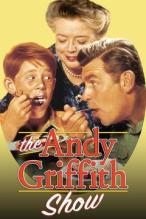 The Andy Griffith Show (and TV Tropes agrees) is Slice of Life. Andy Taylor is the sheriff of Mayberry, North Carolina. He is a widower with a young son, Opie, and his Aunt Bea has come to live with them. There are escaped convicts, shoot outs, a friendly town drunk, cooking mishaps, and Don Knotts, but the comedy and the drama are all fairly level. Aunt Bea may make a bad batch of pickles, but she doesn’t destroy the kitchen doing so. Inspectors may come to grade Andy’s job as sheriff, but the Taylors won’t be homeless if the inspectors aren’t satisfied.
If Aunt Bea’s pickles were so bad they made the whole town sick and she had to rush around taking care of people who continued eating the pickles to avoid hurting her feelings, that would put us back at Lucy-levels. If Andy was paralyzed in a gun fight with escaped convicts, that would propel us into serious drama.
Without modifying the tone, we could still leave Slice of Life behind by making Andy Griffith more progression-oriented. If the show focused more on Andy’s love life and directed the plot of most episodes toward his goal of finding Opie a new mother and getting remarried, whether comedy or drama, we would still be out of Slice of Life because there is a specific ending to this story. Likewise, if the show focused more on Aunt Bea’s attempts to help raise Opie and help Andy cope with his wife’s death and then ended with Aunt Bea’s own death, we would have a drama on our hands, however mild the tone.
So let’s get back to anime. Slice of Life anime tends to play toward the very center of the drama. The tone is very even across the board, and overall the story is mellow and easy-paced with no definitive goal or major conflict.
I’ve already recommended a couple of shows that I really enjoy. Non Non Biyori is very straight Slice of Life. The girls grow and become friends, but ultimately not very much changes. Aggretsuko is a Slice of Life show about working in an office. Although I think the karaoke room gimmick stretches the genre a little bit, the rest of the humor and little bit of drama play it straight. I would also recommend Kids on the Slope. Based on a manga by Yuki Kodama, the show is set in Japan in 1966. Three very different high schoolers bond over jazz. I think the show definitely pushes the limits of Slice of Life, but I stand by the classification. The anime was directed by Shinichiro Watanabe, creator of Cowboy Bebop.
I’ve recommended a few shows, and tried to explain the genre as best I can. I think Slice of Life is one of those genres that you know when you see but can’t quite define without a lot more examples and explanations than you would want to read. I’m running out of time and my eye lids are getting heavy so that’s all until tomorrow,
 chasetriesagain.com
2 Comments